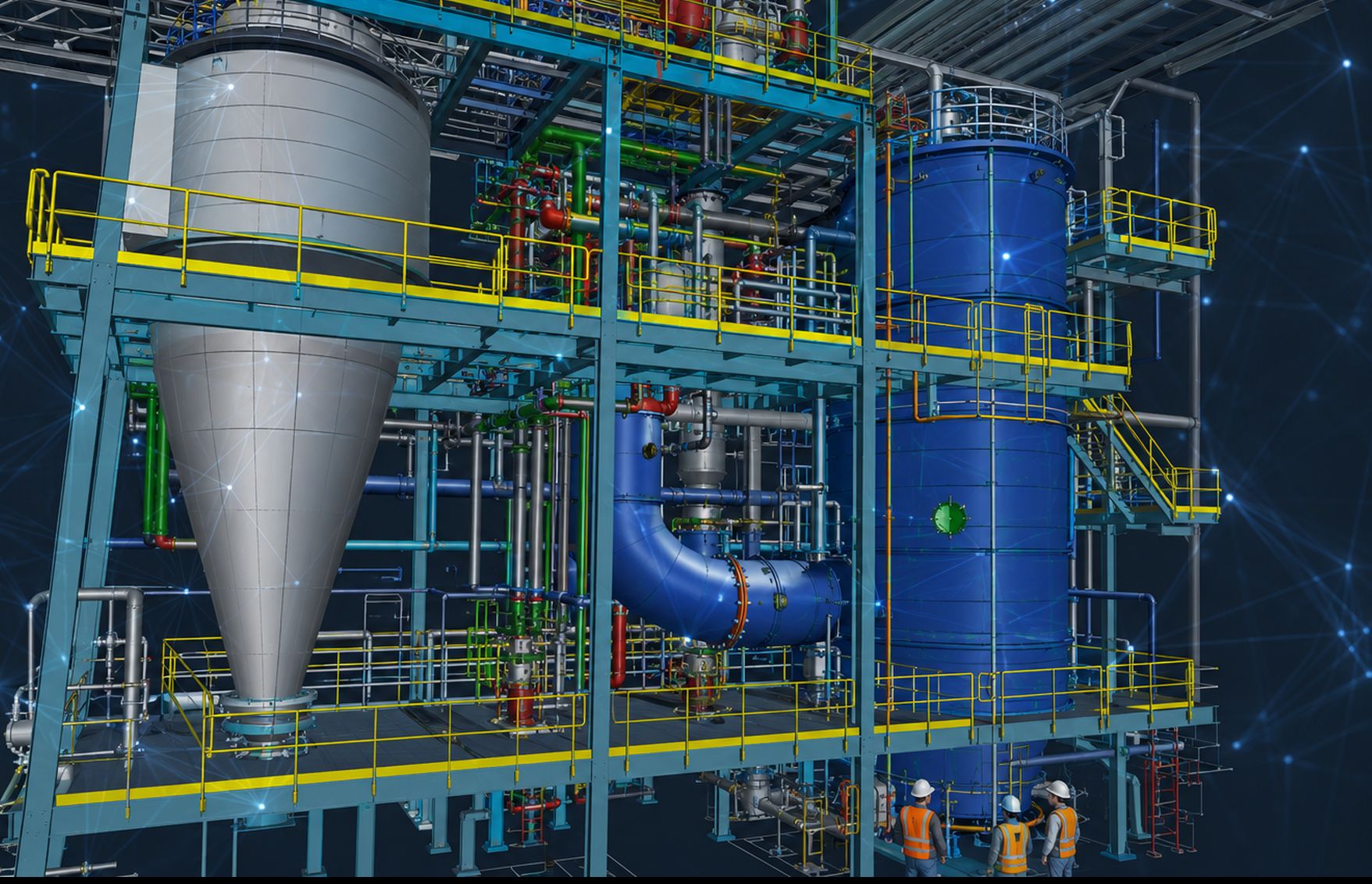
Spray Roaster Acid Regeneration Plant

ASTECโ€™s regeneration technologies provide comprehensive solutions for the treatment and recovery of pickling liquors and rinse water in modern steel production.
Our spray roaster HCl regeneration systems are designed to convert spent hydrochloric acid into reusable acid with regeneration rates above 99.5%, while producing high-quality iron oxide as a valuable by-product.

We supply state-of-the-art HCl acid regeneration plants for capacities ranging from 750 l/h up to 12,000 l/h, with scalable concepts that allow capacity increases through parallel plant configurations.
Each plant is engineered for stable operation, optimized thermal efficiency, and reliable long-term performance in demanding steel mill environments.

ASTEC provides Spray Roaster Regenerations Plants, enabling customers to select the most suitable configuration based on process requirements and site conditions.
Advanced automation and process control ensure consistent regeneration performance, low emissions, and compliance with international environmental standards.

Our solutions can be delivered on a process turn-key basis, enabling customers to optimize CAPEX, covering design, procurement, manufacturing, transportation, construction and commissioning. If required, we also provide full turn-key execution, assuming complete project responsibility from concept to handover.

The modular plant design enables smooth integration into new or existing pickling lines with minimal disruption to production.

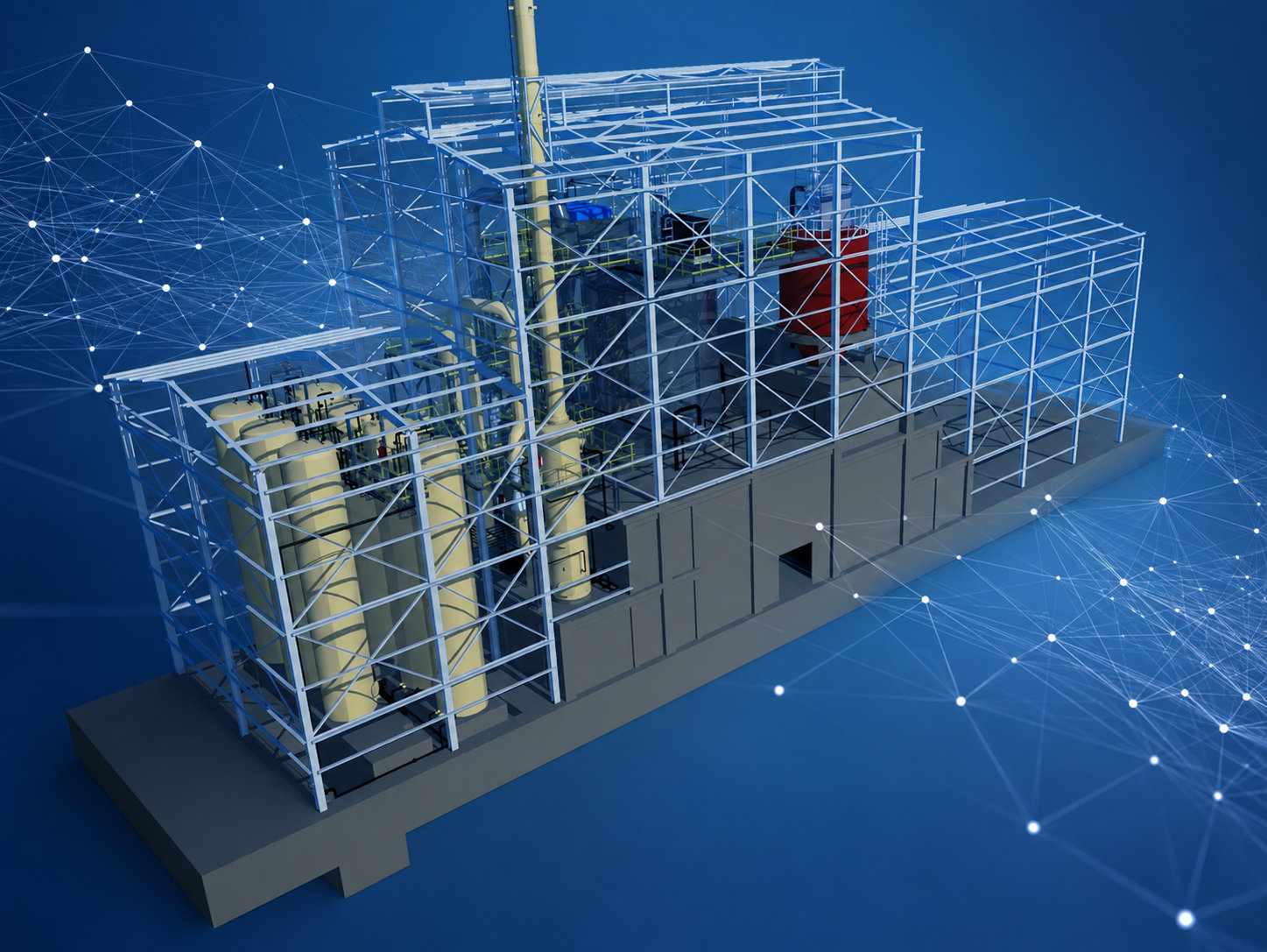
3D render of industrial spray roaster plant

By combining economic efficiency with environmental responsibility, ASTEC regeneration plants support closed-loop acid management and significant reductions in waste streams.
For steel producers seeking sustainable and high-performance acid recovery, ASTEC offers a proven and technically robust solution aligned with the expectations of leading industry partners.

Products for the Ferrite Industry

High-purity synthetic iron oxide produced by spray roasting of spent hydrochloric acid pickling liquor can be used as a premium raw material for the ferrite industry.

Product quality is primarily determined by its silica (SiOโ‚‚) content. Premium ferrite producers require impurity levels below 0.01โ€“0.02 wt.% SiOโ‚‚.

A dedicated purification process removes dissolved silica from the spent pickling liquor prior to pyrohydrolysis, enabling the production of ultra-high-purity spray-roasted iron oxide.

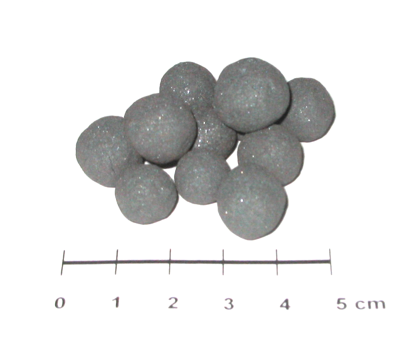
The resulting iron oxide consists of hollow spherical particles with controlled particle and primary crystal sizes, making it suitable for ferrite production.

The product meets the stringent purity requirements for the manufacture of soft and hard ferrites used in electronic and magnetic applications.

Ultra-High-Purity Iron Oxide Production
High-purity iron oxide is required in various fields of the electronics industry as well as in powder metallurgy. Suitable feedstocks include spent pickling solutions and leach liquors obtained from red bauxite or ilmenite.

The ferric chloride solutions are purified, concentrated and converted into premium-grade iron oxide by pyrohydrolysis with optional post-treatment of oxide. The process produces iron oxide with extremely low impurity levels while simultaneously enabling hydrochloric acid recovery, providing both economic and environmental benefits.

FLB3

Spray Roaster Technology

01

CAPEX saving

02

OPEX saving

03

Higher acid
recovery values

04

Excellent quality of
Fe oxide

05

Almost maintenance free:
Stable process – no
stops for inspection
required

06

Can be converted
to hydrogen
burners later

07

Environmental friendly:

New technologies provide Sprayroast Oxide Production with almost no dust emissions and very low gas emissions
EFFLUENT FREE operation possible
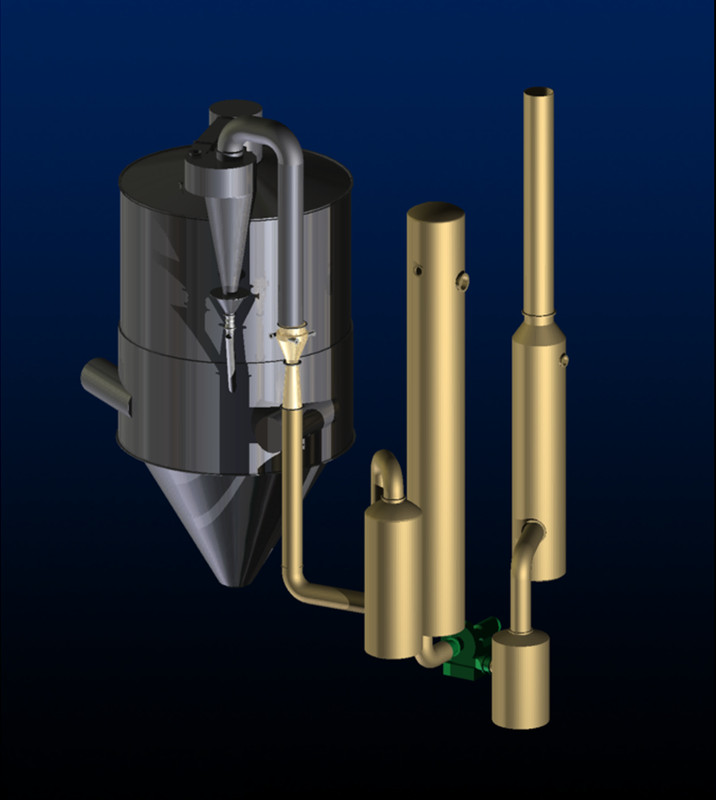
3D render of Spray Roaster industrial equipment

Fluidized Bed Acid Regeneration Plant

In addition to our Spray Roaster technology, we also offer HCl Acid Regeneration Plants based on Fluidized Bed systems.
The Fluidized Bed process has a long industrial track record and has been successfully applied in numerous steel plants worldwide.
The technology produces a consistent iron oxide product in pellet form, which can be advantageous for handling, transport, and resale in markets where pelletized oxide is specifically required by metallurgical plants.

The process operates at elevated temperatures and requires careful maintenance planning; therefore, twin-plant configurations are often implemented to ensure continuous operation and production security.
For sites with existing Fluidized Bed infrastructure, revamping can be an efficient way to extend plant lifetime. Modern upgrades can significantly enhance automation, energy efficiency, and emission control.
Improved refractory materials and optimized burner concepts further increase reliability and campaign duration.

Fluidized Bed technology therefore remains a solid option, particularly in revamp scenarios or where specific site conditions favor this design.
By offering both Spray Roaster and Fluidized Bed systems, we provide technological neutrality and project-specific optimization.

flb

SiRED Silica Removal System

Our SiRED Silica Removal System is designed to optimize acid regeneration performance in modern HCl pickling lines.
The system efficiently removes dissolved and colloidal silica compounds from the acid circuit, preventing unwanted deposits and operational disturbances.
By stabilizing the chemical composition of the process acid, SiRED significantly improves the overall reliability of the regeneration plant.

Our silica removal solutions have been implemented in multiple plants as part of an integrated acid management concept.
The installation supports continuous operation of the pickling line by minimizing silica-related scaling within the regeneration system and enables the production of high-purity iron oxide suitable for premium resale markets.
The improved purity of the oxide enhances its commercial value and expands its application in metallurgical and industrial sectors.

This ensures stable process conditions and consistent pickling quality, even when processing advanced steel grades with elevated silicon content.
Its modular design allows seamless integration into both new installations and existing regeneration plants

With SiRED, we provide a forward-looking solution that enhances process stability, operational reliability, product quality, and long-term performance in modern steel production.

SiRED

SINTOX Iron Pelletizing Plant

Capacity Range: 600โ€“4,500 kg/h

The SINTOX pelletizing plant provides an efficient and value-enhancing oxide handling solution, particularly for metallurgical facilities operating without SIRED or other oxide purification systems. The plant converts fine iron oxide powder generated in the acid regeneration process into mechanically stable, high-strength pellets suitable for transport, storage, and direct resale.

The produced pellets are immediately suitable for use in blast furnace or DRI applications without any additional thermal treatment

Iron oxide (Feโ‚‚Oโ‚ƒ) is discharged from the regeneration reactor in powder form and transferred via a heat-resistant screw conveyor.

The oxide is collected in an intermediate silo, which serves as a buffer to enable continuous and controlled feeding to the rotary pelletizer. Within the pelletizer, precisely controlled quantities of water and binding additives are introduced to form homogeneous green pellets.

The green pellets are first dried at moderate temperatures in a rotary dryer to remove residual moisture while preserving structural stability. In the subsequent sintering stage, the pellets are thermally hardened in a rotary furnace at high-temperatures, after which dense, abrasion-resistant pellets with excellent mechanical strength and handling characteristics are produced.

Following sintering, the pellets are cooled in a controlled cooling section before being transferred to a pellet container or storage bin for final storage and dispatch.

Spray Roaster with SINTOX Pelletizing

The Modern Alternative to Fluidized Bed Technology

The combination of Spray Roaster acid regeneration and integrated SINTOX pelletizing represents a technologically advanced and operationally flexible alternative to conventional Fluidized Bed systems.

The Spray Roaster process is simple and flexible to operate, enabling stable and continuous plant performance without frequent shutdowns or complex restart procedures. Unlike Fluidized Bed systems, there is no requirement for twin-plant configurations or oversized acid storage capacities to compensate for operational interruptions.

The Spray Roaster consistently delivers regenerated hydrochloric acid concentrations of 18โ€“19%, ensuring reliable pickling performance while minimizing fresh acid consumption.

Compared to Fluidized Bed technology, maintenance requirements are significantly reduced. The absence of highly abrasive internal fluidized zones results in lower mechanical stress on critical components and extended equipment lifetime. In addition, overall energy consumption can be reduced by approximately 25%, contributing to improved operating economics and enhanced sustainability.

For oxide handling, the integrated SINTOX pelletizing plant produces hard, metallurgically suitable pellets with defined geometry and high mechanical strength. In contrast, oxide from Fluidized Bed systems generally requires additional downstream processing before reuse in metallurgical applications.

The integrated Spray Roaster and SINTOX concept therefore combines operational reliability, energy efficiency, reduced maintenance effort, and a high-value oxide product into one comprehensive regeneration solution for modern steel production facilities.
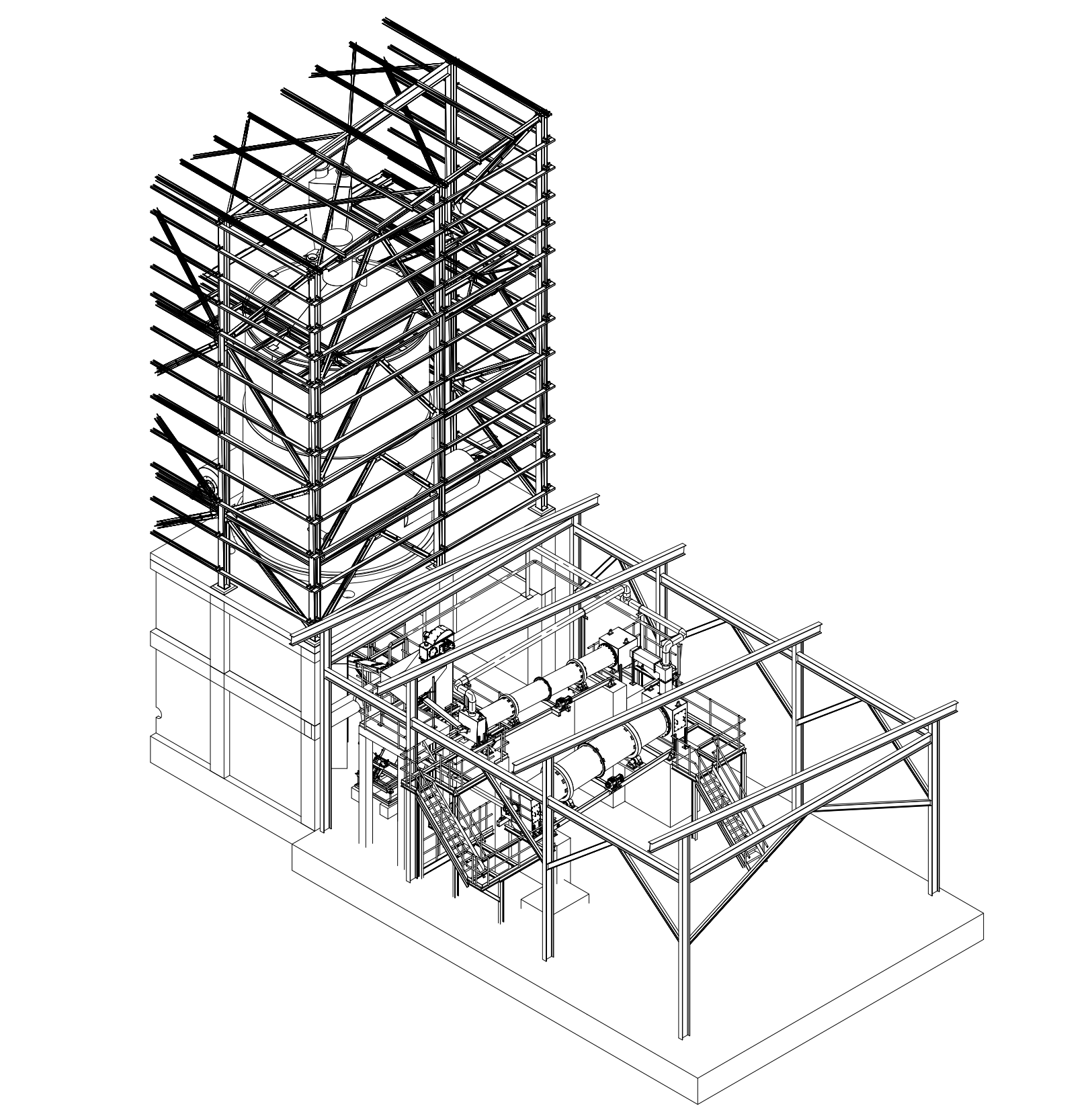
sintox

Advanced Neutralization & Zero Liquid Discharge Systems:
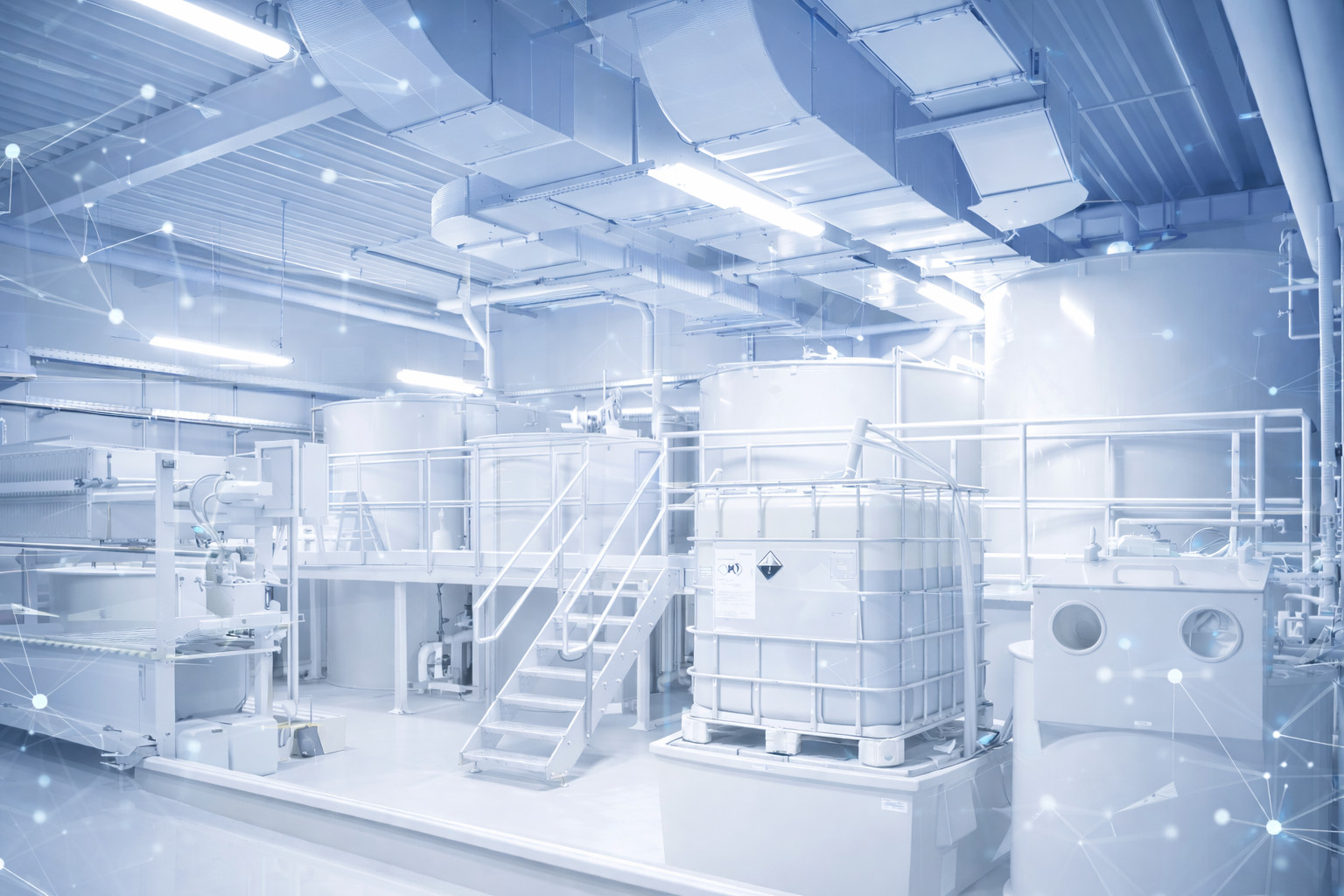
Sustainable Water & Resource Recovery for the Steel Industry

Sustainable Solutions for Carbon steel and Stainless Steel Plants

ASTEC Engineering delivers state-of-the-art Neutralization Plants, including Mixed Acid Neutralization Systems for stainless steel production โ€” fully integrated with a Zero Liquid Discharge (ZLD) System.

Our technology transforms wastewater into value.

Instead of producing sludge for disposal, we create valuable, market-ready salts โ€” turning waste into revenue.

Zero Liquid Discharge - Closed Water Loop

Our systems enable a fully closed water cycle within your steel plant:

  • Process water is treated and returned to production
  • Distillate can be reused as demineralized water
  • No wastewater discharge
  • Reduced fresh water consumption
  • Compliance with strict environmental regulations

Sustainability meets profitability.

Continuous, High-Performance Process

Our process operates as a continuous system, ensuring:

  • Stable operation
  • High throughput
  • Low operational downtime
  • Reduced operating costs

Modular & Future-Proof Design

The modular system design allows:

  • Future capacity expansion
  • Integration of additional recovery stages
  • Selective metal precipitation upgrades
  • Flexible adaptation to changing regulations

Multi-Stage Wastewater Treatment

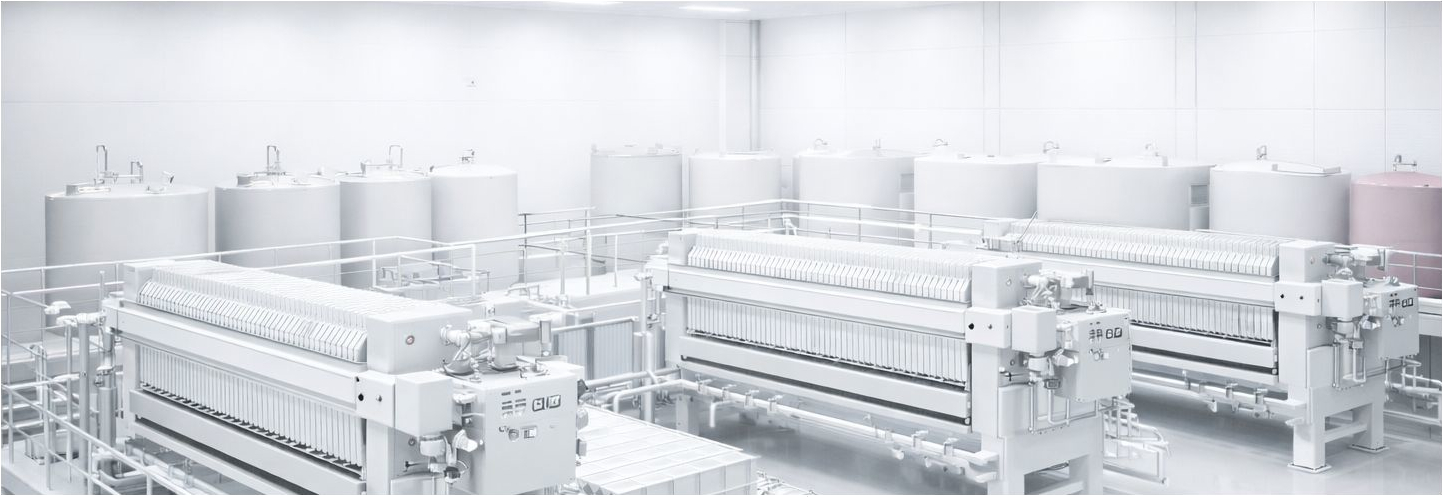
ASTEC applies a proven multi-stage treatment process tailored to your production and market requirements. Usual Treatment Steps:

  • Neutralization
  • Coagulation
  • Flocculation
  • Advanced Filtration (ASTEC patented technology)

Our patented filtration methods provide:

  • High throughput rates
  • Reduced rinse water consumption
  • Optimized separation efficiency
  • Years of proprietary research and development

Tailor-Made Process Water Quality

We adapt the treatment system precisely to your needs:

  • ✓ Demineralized water
  • ✓ Iron-removed water
  • ✓ Process-specific quality standards
  • ✓ Market-ready salt specifications

Each plant is engineered according to your regional discharge limits and product market requirements.

Valuable By-Products Instead of Sludge

ASTEC systems are designed to:

  • Recover valuable salts as end products ready for sale
  • Minimize sludge generation
  • Prepare your plant for selective precipitation of precious metals
  • Enable future recovery of valuable metals from remaining residues
Advanced Neutralization & Zero Liquid Discharge Systems